

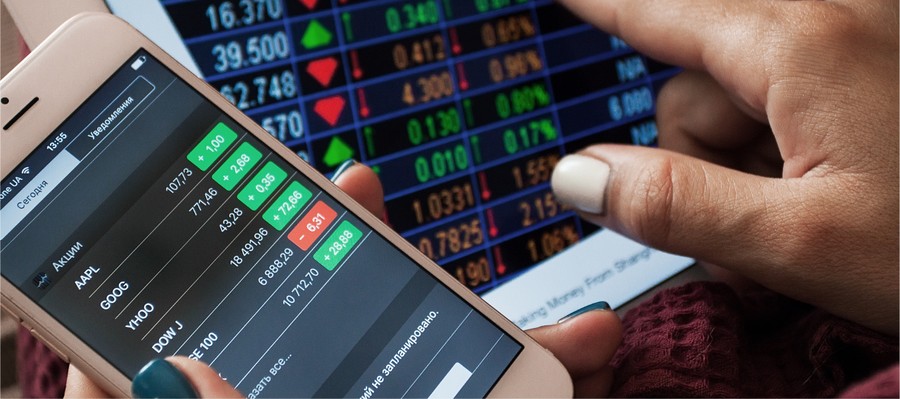
A Day Trading App helps short-term traders buy and sell market instruments within the same trading session. Unlike long-term investing, day trading focuses on intraday price movement, quick decisions, and strict risk control. Traders use such apps to track live prices, read charts, place orders, manage positions, and exit trades before the market closes.
For active market participants, speed and clarity matter. A small delay in order placement or price update can affect trade outcomes. This is why a Day Trading App should offer a stable interface, fast order execution, clear charts, market depth, price alerts, and risk management features.
Short-term trading can look attractive because it offers frequent opportunities, but it also carries high risk. A useful app should not only make trading easy but also help users stay disciplined. It should support planned entries, defined exits, and controlled position sizing instead of encouraging random trades.
FnO Tools for Active Day Traders
FnO features are important for traders who participate in futures and options. Many short-term traders use FnO contracts because they offer liquidity, margin-based exposure, and opportunities in both rising and falling markets. However, these products are complex and require proper understanding before use.
A Day Trading App with FnO support should provide option chains, futures contracts, expiry dates, strike prices, open interest, volume, margin details, and price movement. Traders should be able to review these details clearly before placing an order.
FnO trading requires strong risk management because prices can move quickly. Options can lose value due to time decay, while futures can create large gains or losses due to leverage. The app should show margin requirements and potential risk clearly so that traders do not enter positions without understanding exposure.
For beginners, it is better to study FnO basics before trading with real capital. The app can support learning through data and tools, but the trader must know how these instruments work.
What Is a Day Trading App?
A Day Trading App is a digital platform that allows users to place intraday trades in stocks, indices, commodities, or derivatives. The main purpose is to help traders enter and exit positions within the same day.
Such an app usually includes market watchlists, charts, live prices, order placement tools, positions, profit and loss tracking, alerts, and reports. Some apps also provide scanners, technical indicators, and market news.
A regular investing app may be enough for long-term investors, but day traders need faster access and better execution tools. Since intraday trades depend on short-term price changes, the app should help users act quickly while still showing enough information for decision-making.
Why Short-Term Traders Need a Reliable App
Short-term traders operate in fast-moving markets. They may take trades based on support, resistance, breakouts, reversals, volume spikes, or news-based movement. A reliable app helps them monitor these changes without unnecessary delays.
If the app freezes during market hours, shows delayed prices, or fails to execute orders quickly, traders may face losses. Reliability is not only a convenience feature; it directly affects trading performance.
A good Day Trading App should also make position management easy. Traders should be able to view open trades, modify stop-loss orders, check margin usage, and exit positions quickly. When markets are volatile, a clean and responsive app can reduce confusion.
Key Features of a Useful Day Trading App
A Day Trading App should offer features that support fast decisions and controlled execution. These features should be practical, easy to access, and suitable for short-term trading.
Live Price Updates
Live or near real-time price updates are essential for intraday traders. Since day trading depends on small price movements, delayed data can lead to wrong entries or exits.
The app should show current price, day high, day low, volume, bid price, ask price, and percentage change. These details help traders understand current market activity.
Advanced Charts
Charts are one of the most important tools for day traders. The app should offer different time frames, such as one-minute, five-minute, fifteen-minute, hourly, and daily charts.
Candlestick charts, volume bars, moving averages, trendlines, and support-resistance tools can help traders study price action. However, charts should be used with discipline. Too many indicators can create confusion.
Quick Order Placement
Day traders need fast order placement. The app should allow users to buy, sell, modify, and exit trades without too many steps.
Order confirmation is also important. The app should clearly show quantity, price, order type, and product type before submission. This helps reduce mistakes.
Stop-Loss Orders
Stop-loss orders help limit losses if the market moves against the trade. A Day Trading App should make stop-loss placement simple and visible.
Traders should decide stop-loss levels before entering a trade. Moving stop-loss without a reason or removing it entirely can increase risk.
Position and P&L Tracking
Intraday traders need to track open positions and live profit or loss. The app should show current P&L, average price, quantity, margin used, and exit options clearly.
This helps traders avoid emotional decisions and manage trades based on their plan.
Day Trading App for Beginners
Beginners should be careful while using a Day Trading App. The ease of placing trades can make short-term trading look simple, but consistent intraday trading requires knowledge, discipline, and risk control.
New traders should first understand basic market terms, order types, chart reading, volatility, and position sizing. They can begin by tracking markets without placing trades or by using very small capital.
A beginner-friendly app should explain features clearly. It should not hide risks or promote aggressive trading. Simple watchlists, learning sections, clear charges, and easy reports can help new users build confidence.
Importance of Risk Management
Risk management is the most important part of day trading. A trader can have several winning trades, but one large loss can damage overall capital.
Before entering a trade, the trader should know the entry price, stop-loss level, target, position size, and maximum loss. A Day Trading App can support this process by showing margin, order value, alerts, and stop-loss tools.
Traders should avoid risking too much capital on a single trade. They should also avoid revenge trading after a loss. The app can provide tools, but discipline must come from the user.
Charges and Brokerage
Charges matter in day trading because active traders may place many orders. Even small costs can affect net profit over time.
Users should check brokerage, transaction charges, taxes, exchange fees, margin-related charges, and any platform fees. A low brokerage structure can be useful, but only if the app also provides reliability and good execution.
Traders should review contract notes and reports regularly to understand actual trading costs. This helps them calculate real profit or loss after charges.
Market News and Alerts
Market news can affect intraday price movement. A useful Day Trading App may provide updates on major events, corporate announcements, economic data, and market sentiment.
Price alerts are also helpful. Traders can set alerts for specific levels instead of watching the screen all day. For example, if a stock crosses resistance or reaches support, the app can notify the user.
However, traders should not enter trades only because of news alerts. News should be combined with price action, volume, and risk planning.
Reports and Trade Review
A good Day Trading App should provide detailed reports. Trade review is important because traders need to understand what worked and what failed.
Reports may include order history, trade book, profit and loss statement, charges, tax reports, and segment-wise performance. Reviewing these reports can help traders identify mistakes.
A trader may notice patterns, such as losing more money during volatile sessions or entering trades without confirmation. This kind of review can improve future discipline.
Common Mistakes Day Traders Should Avoid
One common mistake is overtrading. Traders may place too many trades because the app makes execution easy. More trades do not always mean more profit.
Another mistake is trading without a stop-loss. Intraday markets can move quickly, and losses can grow if positions are not controlled.
Many traders also use excessive margin without understanding risk. Higher exposure can increase profit potential, but it can also increase losses.
Some users follow random tips or social media discussions without checking charts, volume, or risk. A Day Trading App should be used for analysis and execution, not for emotional trading.
Share Market IPO Tracking Before Conclusion
Share Market IPO tracking can support day traders by helping them understand broader market sentiment. While IPO investing and day trading are different activities, IPO activity often reflects investor confidence, liquidity conditions, and market participation.
A Day Trading App that includes Share Market IPO information may help users track upcoming issues, listing dates, subscription trends, and newly listed stocks. New listings can sometimes show strong intraday movement, but they can also be highly volatile.
Traders should be careful while trading newly listed shares. Listing-day price movement can be sharp and unpredictable. Share Market IPO data should be treated as market awareness, not as a direct trading recommendation.
Conclusion
A Day Trading App can be useful for short-term traders who need fast execution, live prices, charts, alerts, and risk controls. It helps users monitor active markets, place intraday trades, track positions, and review performance from one platform.
The app should provide clear FnO data, smooth order placement, stop-loss tools, portfolio visibility, transparent charges, and stable performance during market hours. For beginners, the app should also offer simple navigation and clear explanations.
Day trading requires discipline. A good app can support better decisions, but it cannot remove market risk. Traders should focus on planning, position sizing, stop-loss use, and regular trade review. With the right approach, a Day Trading App can become a practical tool for managing short-term trades in active markets.
FAQs
What is a Day Trading App?
A Day Trading App is a digital platform that helps users place intraday trades, track live prices, view charts, manage positions, and exit trades within the same trading day.
Is day trading suitable for beginners?
Day trading can be risky for beginners. New traders should first understand market basics, order types, charts, stop-loss use, and risk management before trading actively.
Why is FnO support important in a Day Trading App?
FnO support is important for traders who use futures and options. The app should provide option chains, expiry details, margin information, and live contract data.
What features should a Day Trading App have?
It should have live prices, quick order placement, charts, stop-loss orders, alerts, position tracking, reports, security features, and transparent charges.
Can Share Market IPO data help day traders?
Share Market IPO data can help traders understand broader market sentiment and track newly listed stocks, but it should not be used as a direct trading signal.